Hawaii real estate Source – Tip’s and Guides Helping Home Buyers and Sellers - Your Kapolei Real Estate Specialists

Showing posts with label living. Show all posts

Water Heaters at Home


The Ultimate Guide to Water Heaters at Home

Everything you need to know about water heaters from our friends at Home Depot

  
Water heaters are one of those appliances that usually sit forgotten in a basement or utility room until something goes wrong. When it does, it can put a serious crimp in your lifestyle.
If you’re faced with a broken unit, the goal is to get a new heater in place as quickly as possible. Because water heaters are big-ticket items, it’s smart to think about the kind of water heater you want before it’s time for a replacement.
Water heaters, on average, use 17 percent of a household energy budget. That’s more than any other home appliance, so it’s important to know how they operate. This guide will show how the most common types of water heaters work and what to consider when it comes time to replace the unit.
Homeowners are increasingly shopping around for water heaters with energy saving and “smart” features.
Water Heater Basics
Water heaters come in three broad categories: conventional tank, tankless and hybrids.
Storage Tank Water Heaters. These are the most conventional water heaters. An insulated tank keeps water at a preset temperature—usually around 120 degrees—until you open a hot water tap. As you use the water, cold water flows into the tank to be heated. Tank water heaters vary in capacity from 20 to 80 gallons. They are powered by electricity, propane gas, natural gas or oil. In electric units, heating elements located inside the tank heat the water. Gas and oil water heaters contain a combustion chamber located under the holding tank. A flue goes up through the center of the tank so that combustion gases can be vented to the outside.
Most gas water heaters rely on the natural draft of a chimney to vent the unit, but some models have a direct vent system where a fan expels the combustion gases. These types do not need a chimney and can be vented through a pipe that runs horizontally through a sidewall.
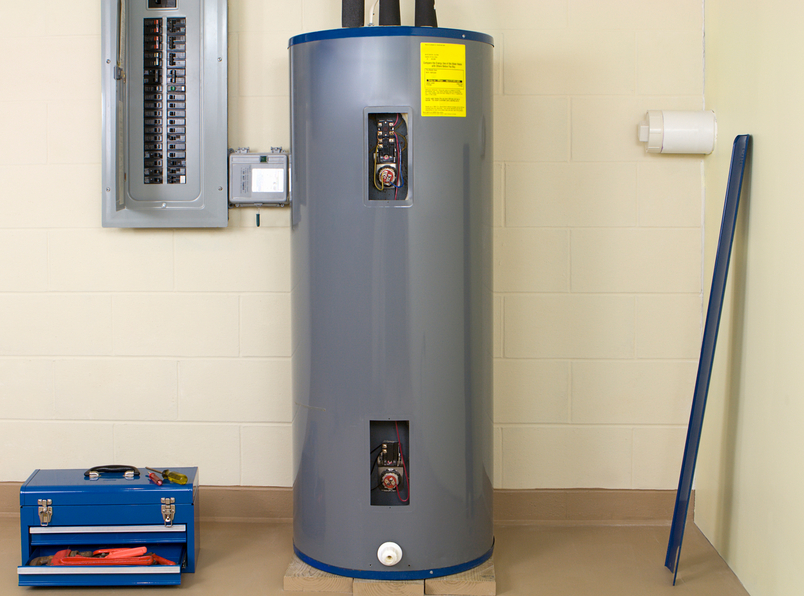
A conventional gas storage tank water heater
Tankless Water Heaters. Unlike tank models that keep hot water on hand, tankless heaters heat up the water when you call for it, eliminating the wasted energy it takes to keep water at a set temperature. The Department of Energy estimates that for a family that uses about 40 gallons of water a day, a tankless heater is 24 to 34 percent more efficient than a conventional tank model. But the efficiency does drop off considerably if you use a lot of hot water.
“These heaters are perfect for some lifestyles, but not all,” -Merle Henkenius, a licensed master plumber.
Compared with a full-size tank, tankless heaters are small. They can be hung on a wall, freeing up floor space. They are powered by electricity or gas. Tankless heaters are available in both indoor and outdoor models.
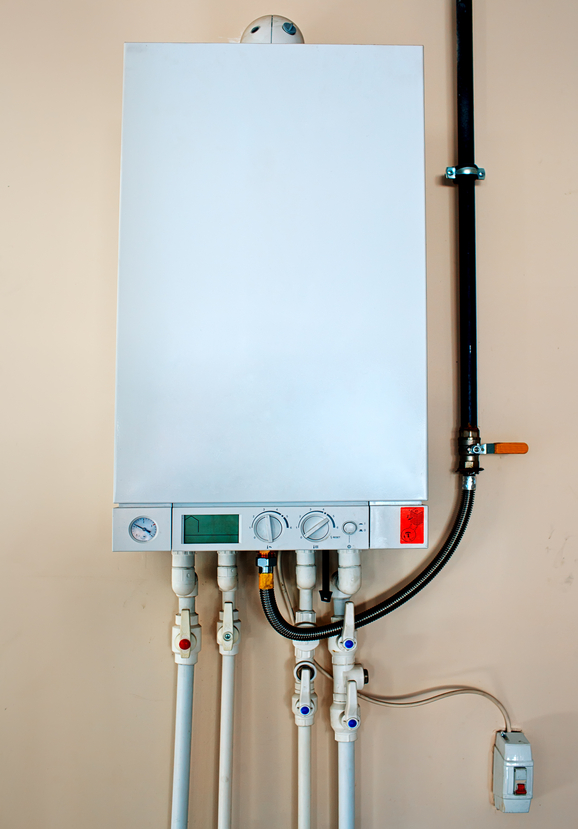
A whole-house tankless water heater.
Hybrid Water Heaters. This is a catch-all term that includes heat pump water heaters, condensing units and indirect water heaters. Most hybrid technologies were developed to make water heating more energy efficient.
*Heat Pump Water Heaters. These use electricity to extract heat from the surrounding air to help heat the water in the tank. A heat pump works like an air-conditioner in reverse. An air conditioner pulls warm room air into the unit, removes the heat from the air, and then dumps heat that it extracted from the room air outside. Rather than dump the heat, a heat pump water heater uses the extracted heat to warm the water. When the heat pump cannot handle the demand, backup electric elements take over. These units are extremely energy efficient.
*Condensing Water Heaters. These are available in both tank and tankless models and are powered by gas. These units use some of the hot gases created during the combustion process to heat the water, rather than venting all of the gas to the outside.
*Indirect Water Heaters. In these systems, the water heater storage tank is connected to a boiler or furnace. The unit heats fluid that is circulated to the storage tank, where a heat exchanger warms the water.
*Solar Water Heaters. These circulate fluid through rooftop solar collectors. The fluid heats the water in the storage tank.
Smart Water Heaters. A few manufacturers have developed water heaters with WiFi capability, meaning you can control them through a smartphone or tablet. These products are more sophisticated than standard water heaters. They have electronic controls and thermostats, making them more precise and easier to use. They can also run diagnostics on themselves to spot potential problems.
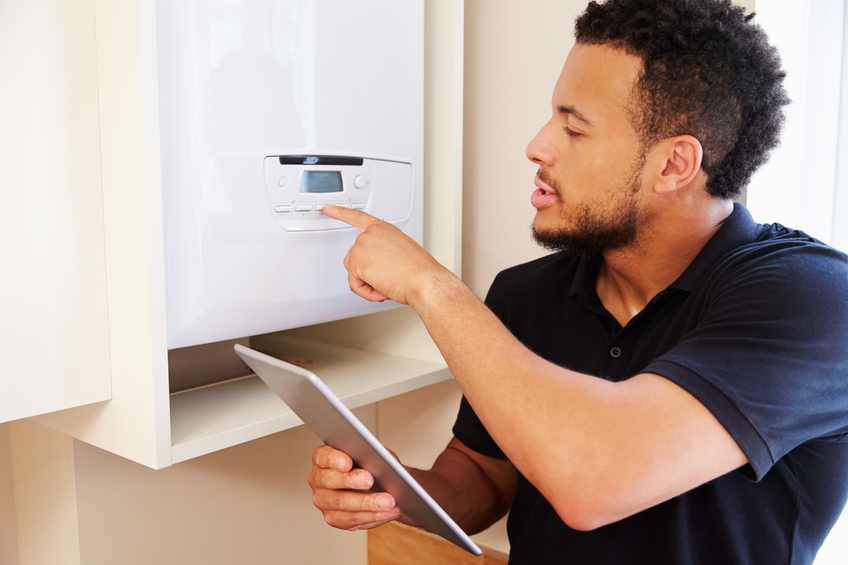
Home appliances, including water heaters, are increasingly outfitted with WiFi capability to enable money and energy-saving control from your devices.
Factors to Consider When Buying a Water Heater
When it is time for a new water heater, a good place to start is to consider what you have now. If the old unit provided plenty of hot water and you were satisfied with it, consider simply replacing the unit. Even if you install a standard tank water heater, the new model will probably be more energy efficient than the old one, thanks to updated energy standards that went into effect in 2015. However, there are many more energy saving options available to choose from. If you are unsatisfied with your water heater’s performance, you may want to consider one of the alternatives mentioned above.
The following are other important considerations for this major purchase:
Warranties
Water heaters come with warranties. In general, the longer the warranty, the more the unit will cost. Expect to see warranties from 6 to 12 years, but lifetime warranties are available. Choose a model with a warranty you are comfortable with.
Sizing for Tank Water Heaters
Residential tank water heaters, including heat pump water heaters, vary in capacity from 20 to 80 gallons. Of course, meeting the local building code is one aspect of sizing a unit. Another rule of thumb is to base the size on the number of people who regularly use hot water in the house.
Here’s a guide:
NUMBER OF PEOPLEIDEAL GALLON CAPACITY
1-223-36
2-436-46
3-546-56
5 or more56 or higher
How many people live in the house (or could live there in the future) is a factor in determining the size water heater that you need.
In addition to tank capacity, you should consider the First Hour Rating of the unit. This tells you how much hot water the unit will provide during a set period. Think of your household first thing in the morning. The water in the heater is at its set temperature. Then people start using the hot water. As they do, cold water rushes into the tank, mixing with the remaining hot water. The water heater senses a drop in water temperature and clicks on. All at once, hot water leaves, cold water enters and the unit works to keep up with the changes.
The First Hour Rating takes into account the size of the tank, the efficiency of the heater and even the temperature of the cold water entering the tank. It can help determine the size of the heater you need based on peak demand periods. You will find it listed on the yellow energy label attached to the water heater and in the manufacturer’s literature.
Sizing for Tankless Water Heaters
Because there is no storage tank, tankless models are sized by the gallons per minute (GPM) of water they can deliver. Find the right size for you by estimating your peak water demand. You may have to consult with a plumber to estimate your demand, but here are some averages for various plumbing fixtures.
Shower and Bathtub2.5 GPM
Clothes Washer3.3 GPM
Kitchen and Bathroom Sinks2.2 GPM
Dishwasher1.3 GPM
Source: Energy Star  http://www.energystar.gov/products/water_heaters/water_heater_whole_home_gas_tankless

Homes in colder climates may require more powerful hot water heaters.
You will also need to consider the temperature of the incoming water to determine how much the heater needs to raise the temperature of the water. Cold water temperatures range from an average of 35–40 degrees in the extreme North to 65–70 degrees in the South. The difference between the incoming cold water and the hot water leaving the unit is called the temperature rise. The maximum GPM for a unit may be 8 or 9 GPM, but if the unit must raise the temperature 70 degrees, the effective GPM could be cut in half. The manufacturer’s literature will provide GPM at different incoming water temperatures.
Energy Efficiency
There are two ways to pick a water heater based on energy efficiency. One is the EnergyGuide Label that comes with each unit. It displays the estimated cost for running the unit when compared with similar models. If the label shows the Energy Star logo, it means the appliance exceeds basic requirements and meets more stringent criteria for energy efficiency.
The other is to consider the water heater’s energy factor (EF), which you can find in the manufacturer’s literature. This number reflects the efficiency of the heater in converting fuel—natural gas, propane and the like—into hot water. The EF is expressed as a decimal. An EF of 1 means that 100 percent of the energy is converted to hot water. For example, an efficient gas storage water heater might have an EF of .75. Some tankless water heaters can have an EF of .90-plus. A heat pump water heater might have an EF of 2.5 or higher, which means the heat pump produces more energy than it consumes.
Here’s how products that meet minimum energy standards that went into effect in April of 2015 compare with products that meet minimum Energy Star requirements.
Type of Water HeaterNew Minimum EF RequirementsEnergy Star EF Requirements
50-Gallon Gas Water Heater0.60> 0.67
50- Gallon Electric Water Heater0.95> 2.0
Tankless Water Heater0.82
0.90
Sources: DOE National Appliance Energy Conservation Act; Energy Star Product Criteria: http://www.energystar.gov/products/water_heaters/residential_water_heaters_key_product_criteria
In general, highly efficient water heaters cost more than conventional models. A heat-pump water heater can cost three times that of a conventional heater of the same size. But energy efficient products are designed to reduce energy use and save money in the long run.
Tax Credits
Federal tax credits for energy efficient appliances, including non-solar water heaters, apply to items purchased in 2015 and 2016, but the credit is scheduled to expire at the end of 2016. You can claim 10 percent of the cost of the unit up to $300.
The items that qualify include heat-pump water heaters with an energy factor that is equal to or greater than 2, and gas and oil water heaters with an energy factor that is greater than or equal to .82, or a thermal efficiency of at least 90 percent.
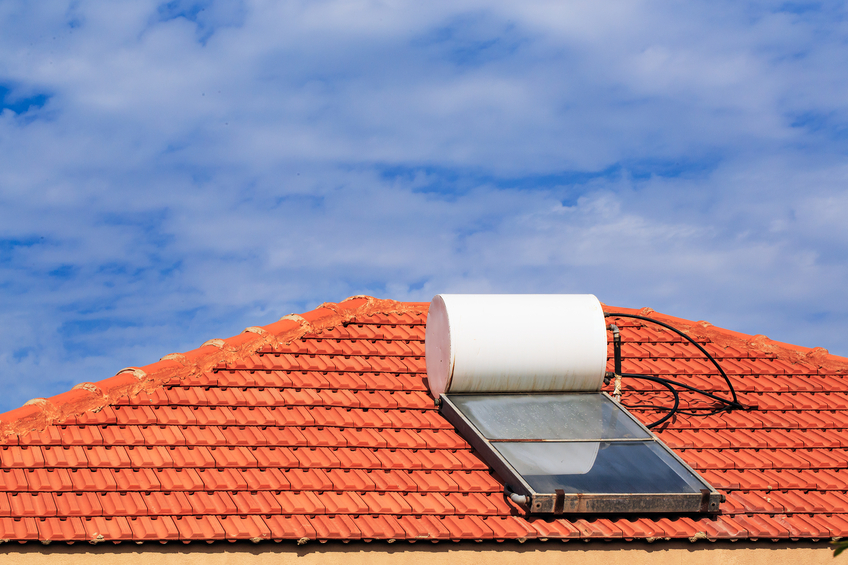
Those who install solar water heaters can earn a 30 percent credit. The solar creditexpires at the end of 2021.
If you install energy efficient equipment in your home, check the local utility for other rebate programs.
Installations
While water heaters are not particularly complicated devices (especially conventional models with a storage tank), they should still be installed by a licensed plumber. A plumber will be familiar with the local building code requirements, and he will be able to handle any problems that may crop up.
One thing to keep in mind if you plan on swapping out an old unit with a new one of the same size: If the water heater was manufactured after the new energy requirements went into effect in April 2015, it may be an inch or two larger in height and circumference. Manufacturers beefed up the insulation on units to help meet the new requirements. It is something to keep in mind if space is tight around an old water heater, and another reason to hire a pro to install the unit.
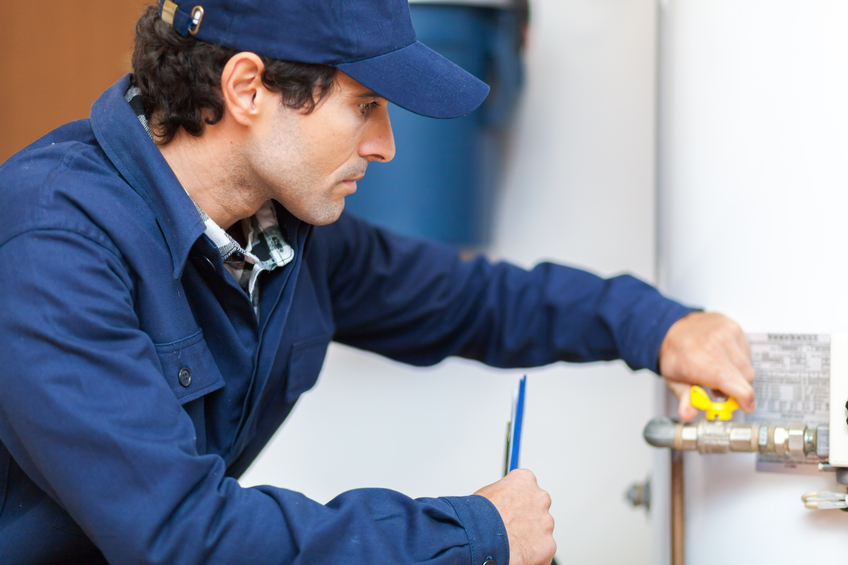
To protect your home and family, hire a professional when installing a new water heater or conducting significant repairs.
Here are some items that may be required with your new water heater.
  • Building Permit. If you or your contractor applies for a permit, the finished installation will be inspected by a building inspector. This is one way to help ensure you have a safe installation.
  • Dedicated Shutoff Valve. If there isn’t a valve attached to the cold water line just before it enters the water heater, the plumber will install one. The valve lets you shut off water to the water heater for maintenance and repairs without disturbing the rest of the home’s water system.
  • Expansion Tank. When water inside the tank is heated, it expands, creating more volume. That extra volume has to go somewhere. In a “closed” plumbing system, the expanded volume that would normally backflow into the main water supply is blocked by a valve. The pressure builds up within your home’s plumbing system, and that’s where the expansion tank comes in. It contains a bladder with pressurized air on one side. It gives the extra volume of water someplace to go. When you turn on a hot water tap or the water in the tank cools, the pressure is relieved.
  • Earthquake Straps. Some building codes, particularly in the West, require that water heaters be anchored to wall studs or approved blocking with metal straps.
  • Drip Pans. Even if they are not required by code, drip pans are a good idea, especially if a leaky tank will cause damage. Most contain a drain fitting so that you can attach a hose to the pan. You can also get a battery operated leak detector that can be placed near the water heater or in the pan for under $20. This will alert you if there are problems.
The life expectancy of a typical unit is 10 to 20 years, depending on the type and model. Ensure you get the best performance possible: Carry out simple maintenance tasks, and know when to call a plumber. Read the manual carefully and perform any routine upkeep required to make the most of your unit’s lifespan.
How to Reduce Water Heating Costs

Here are tips for reducing water heating bills.
  • Replace old equipment with energy efficient models.
  • Install low-flow shower and faucet heads.
  • Reduce the water temperature in your water heater by adjusting the unit’s thermostat.
  • Wash your clothes in cold water.
  • Choose water saver cycles when using the dishwasher.
  • Fix dripping hot water faucets.
Author Bio:
Fran Donegan writes home- and garden-related content for numerous digital and print publications. He is the author of the books Pools and Spas (Creative Homeowner Press) and Paint Your Home (Readers Digest). To learn more about water heaters like those referenced by Fran, please visit the Home Depot website.

Search for Homes @
http://www.islandhomelife.com/
If you would like more information on this call Neaulani 808-358-9700
News & insights
http://alohainvesting.com/
Coldwell Banker Pacific Properties rs-73536
Share:

Blinds and Curtains

Defining Your Living Spaces Beyond Your Front Door

Who says blinds & curtains are only meant for the interior of your home?

Blinds and curtains aren’t just for the living areas inside your home. Places like garages, outdoor patios and porches can also benefit from having window treatments. Curtains, valances or faux wood blinds can help give these spaces definition, and a feeling of being finished. Here are some ideas to consider when putting treatments in some of these unexpected areas.
lizzy2
Garages
It seems everyone uses their garage for different things beyond simply parking their cars. They can be workstations, a playroom for the kids or an honest-to-goodness extra living space. If your garage is a storage space bursting at the seams with “stuff,” it’s not a lost cause. Get the garage organized and cleaned up, and you could find a hidden gem of a functional space, ready for design details like window treatments.
If your garage space is a workstation full of tools and benches and half-finished projects, with a lot of sawdust or dirt and grime flying around at any given time, it’s probably not the best idea to hang fabric curtains in the vicinity. They will get dirty in a hurry, and they’re much more difficult to clean than mini blinds or faux wood blinds. Putting up mini blinds or faux wood blinds will give you a sense of privacy and also give the garage that finished look. Adding blinds can also help keep out harsh sunlight, and help to keep the garage cooler in the warm months and warmer in the cold, perhaps increasing productivity in your workspace.
If your garage doubles as a kids’ playroom, cordless blinds or window shades are a great way to ensure your children and their friends can play in privacy, while keeping them safe from dangling cords.
For a garage that is a fully functioning extra living space, curtains come into play. Adding a valance atop faux wood blinds gives these extra living spaces the same warm, comforting feel you have inside the home. Treat these garage living spaces like a second living room.
lizzy2
Outdoor Living Spaces
Adding curtains, shades or blinds to outdoor living spaces like patios and porches can be a great way to add style, but it can also be tricky. Curtains need to be covered year-round: Any direct rain or weather will ruin them in short order. However, if you have a covered patio that has an overhang to protect your curtains, these can be great in adding some color and some privacy. They also create an elegant look when they flow in the breeze.
When you put your curtains up in your outdoor living space, make sure your choice is mold- and mildew-resistant. In colder climates, you will also want to take them down in the winter, and launder them before putting them back up in the spring.
lizzy3
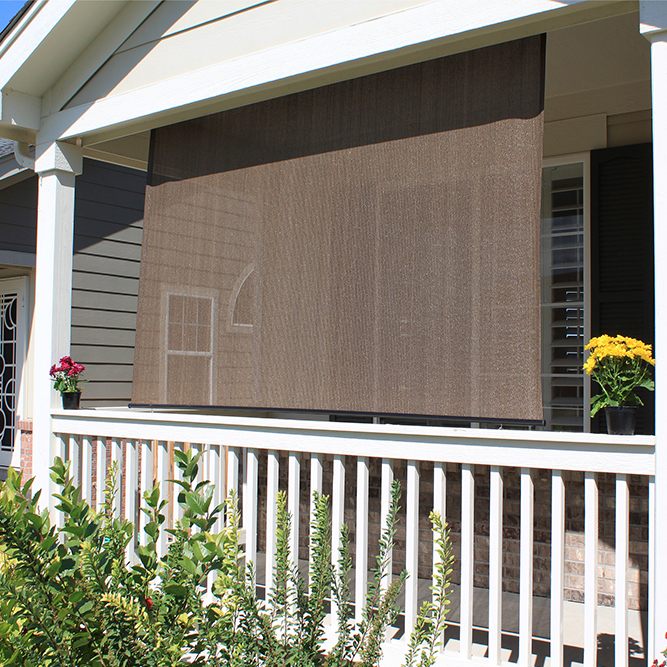
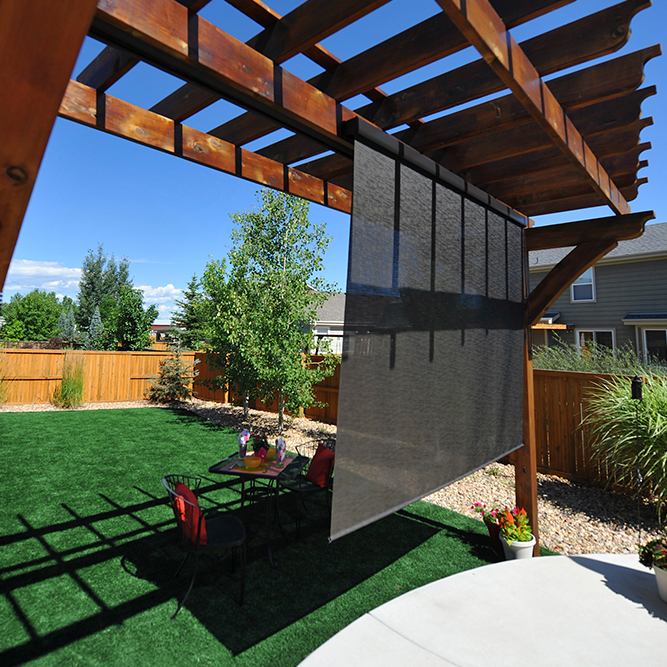
Faux wood blinds or retractable shades are the way to go if you have windows in your outdoor living area, such as a screened-in or three-season porch. Using real wood blinds won’t work due to the natural moisture of the outdoors, and mini blinds won’t last through even the faintest of windstorms or weather changes. When it comes to shade outside, porch or patio enclosure shades that roll up and down, either through a remote control system or a pulley, are a great bet. These provide continuous shade and protect your outdoor furniture from fading and being damaged by the elements.
When adding design features to you home, don’t stop at the front door. Take functional and stylish elements like window treatments outside, and extend your home’s comfort and livability.
Search for Homes @
http://www.islandhomelife.com/
If you would like more information on this call Neaulani 808-358-9700
News & insights
http://alohainvesting.com/
Coldwell Banker Pacific Properties rs-73536
Share:

Smart Home Staging

Breaking Down the Smart Home Staging Kit

This year’s Gen Blue conference brought Coldwell Banker to Miami – and, of course, we brought the Smart Home Staging Kit with us.

According to research by Coldwell Banker, consumers are most interested in smart home technology that can help them in three areas: security, temperature and lighting – so, of course, those three categories are covered in the Smart Home Staging Kit. Not only did we define what makes a home smart and  curate the first-ever Smart Home Staging Kit  – we also invited our partner brands to speak on the main stage at our annual Gen Blue conference in Miami to teach us more about what really makes a home ‘smart’.
IMG_5632
From left to right: Mike Soucie of Nest, Melissa Andresko of Lutron, David Siroty of Coldwell Banker, Tejash Unadkat of August and Lindsey Turrentine of CNET
Our panel of experts from smart home brands August, Nest and Lutron – all of which have products in the Smart Home Staging Kit – shared their insights with Coldwell Banker agents during the Smarter Staging & Selling session. Now we’ll let you in on the inside scoop:
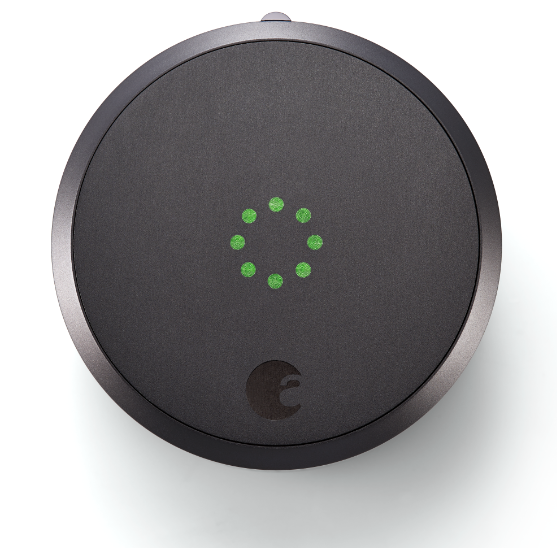
August Smart Lock
“The August Smart Lock is user friendly for three reasons: you can let friends and family into your home remotely, a majority of users install the Smart Lock in less than ten minutes because of its simplicity and it is installed on the inside of your door. That last feature really makes August unique. From the outside, your home remains exactly the same, but because the device is installed on the inside you can use your phone to lock and unlock your home.”
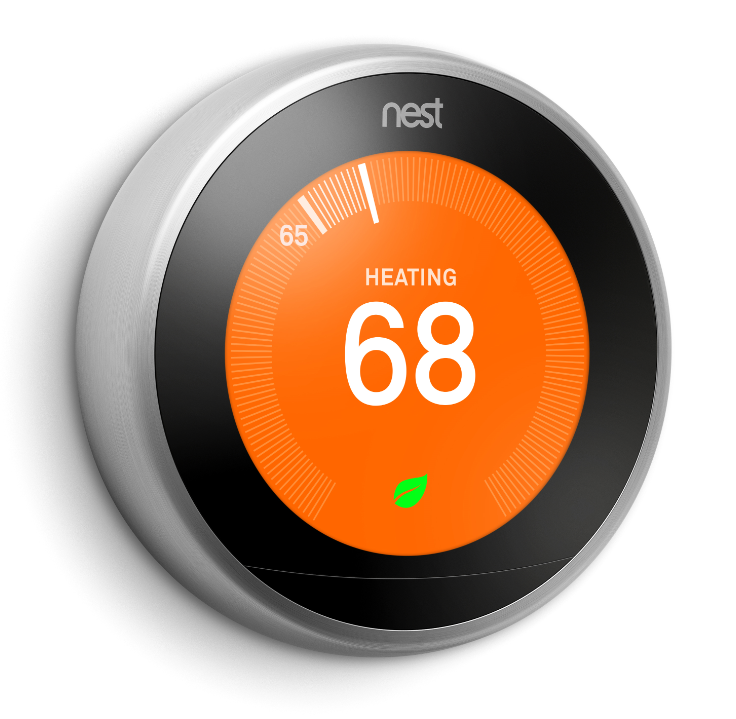
Nest Thermo
“At Nest, we want to create a home that takes care of itself and the people inside. Heating and cooling make up fifty percent of our energy costs. Energy savings and comfort were the main drivers behind developing the Nest thermostat and we created it with the intention of saving customers money. The Nest is intuitive – it learns the user’s habits and preferences with the ultimate goal of creating cost savings and comfort.”
  • Mike Soucie, Nest
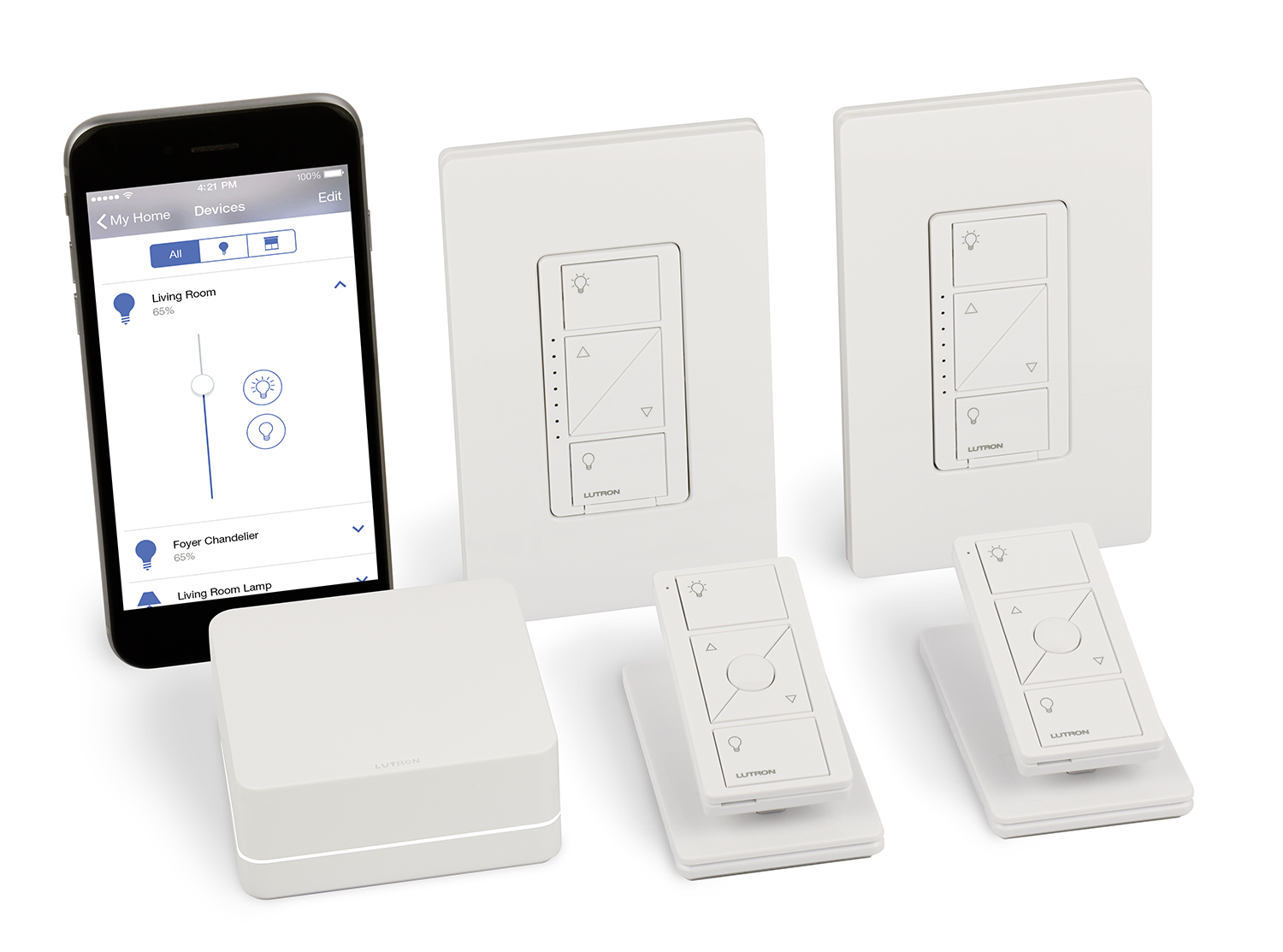
Lutron Smart Lighting Dimmer Kit - In-Wall
“Lutron created the original lighting dimmer switch back in the 1950s as a way to create ambiance in the home. Today’s lighting technology is about convenience and comfort. This means turning your lights on and off remotely. Lighting also makes you feel better and makes your room look better. The same room can be used to host a dinner party, have cocktails with friends or help your kids with their homework – but the lighting is what makes the room more versatile depending on your needs.”
Now that our friends at August, Nest and Lutron have given us the inside scoop; you may ask where you can get a Smart Home Staging Kit. Home owners can purchase the complete smart home staging kit or purchase items individually. Consumers can also request for professional installation by Pro.com. The best part? Once the kit has been installed in your home it can be marketed as a smart home.
Interested in buying your own kit? Be sure to visit SmartHomeStaging.com and speak to a Coldwell Banker agent to take advantage of the exclusive promotional pricing.

Search for Homes @
http://www.islandhomelife.com/
If you would like more information on this call Neaulani 808-358-9700
News & insights
http://alohainvesting.com/
Coldwell Banker Pacific Properties rs-73536?
Share:

Common Household Product

Do You Have This Common Household Product in Your Cleaning Arsenal?

This common household cleaning product is MAGIC. #scienceyo

H2O2…or for non-science nerds…Hydrogen Peroxide! Did you know Hydrogen Peroxide has magical cleaning powers? Well, OK, maybe not magic but it is a pretty awesome green product to have handy around the house. Here are some of my favorite ways to use it to get my home nice and clean. Be sure you are using the  3% solution.
Whiten Grout
Cleaning grout is not a fun household chore but the good new is DIY grout paste is AH-MAZE-ING. Mix hydrogen peroxide with baking soda and then spread it over your grout. Let is sit for about an hour and then use the rough side of a sponge to wipe away the grime. Voila!
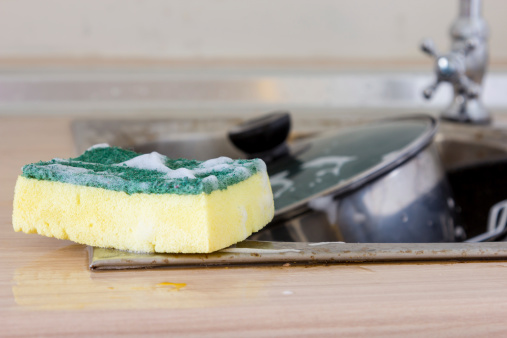
Disinfect Sponges
Dirty sponges…yuck. Who wants to clean the items they eat with or off of with something covered in germs. Um not you and definitely not me. Give your sponges a new life by soaking them in a bowl of hydrogen peroxide for half an hour.
Disinfect Your Fridge
We all know you can use HP to disinfect a cut (ouch, I know) but did you know you can also use it to sanitize your refrigerator? Yup, that’s right! Just spray some inside (make sure the bottle you use is opaque) and let it soak for about ten minutes then wipe away the grime.
Looking for other ways to use this product as a green way to clean up your home? Here are TEN more:
  1. Whiten Laundry
  2. Clean Your Cutting Boards
  3. Clean Rugs (test a small area first)
  4. Clean Toilets (even if you have a septic!)
  5. Clean Children’s Toys
  6. Remove Tablecloth Stains
  7. Clean Doorknobs
  8. Clean Glass Surfaces
  9. Disinfect Countertops
  10. Clean Your Veggies (Yes, really! Watch Video)
Do you have another way to use this magical solution in your home? Let me know!
Search for Homes @
http://www.islandhomelife.com/
If you would like more information on this call Neaulani 808-358-9700
Seller Experience -  Let us show you the ropes.
http://www.alohainvesting.com/Selling-a-House.html
Coldwell Banker Pacific Properties rs-73536
Share:

Apple Recipes


5 Apple Recipes to Enjoy this Fall

These yummy treats are the apple of our eye this fall!

 
I spent the night at my parents’ house earlier this week – which is always a treat in and of itself! – but just when I thought it couldn’t get any better, my mom pulled a warm pan of apple crisp out of the oven. YUM. The whole house smelled amazing and it was the perfect cozy dessert to wrap up our evening together. Here are some other apple recipes found on Pinterest that I can’t wait to try this fall!

Baked Caramel Apples

My mouth is watering just looking at this…

Apple Cinnamon Pancakes

This recipe is a sweet way to start a weekend morning!
Fluffy cinnamon pancakes with ooey gooey apple topping! The perfect Autumn breakfast.:
Image via lecremedelacrumb

Apple Chips

The air is crisp, and so are these apple chips!
Cinnamon apple chips. No added sugar, no dehydrator required! Healthy snack any time.:
Image via trialandeater

Cinnamon Crumb Apple Muffin

Just add a hot cup of tea or coffee!
Cinnamon crumble apple muffin: Know what I'm making my boyfriend for valentines day!:
Image via foodnasty

Homemade Apple Sauce

Is there anything more seasonally appropriate?
Homemade Applesauce - Quick and easy, and you can use it for so many things.:
Image via thepioneerwoman
What is your favorite way to enjoy apples at home this fall? Leave us a comment or link us to your favorite apple recipe!
Search for Homes @
http://www.islandhomelife.com/
If you would like more information on this call Neaulani 808-358-9700
Seller Experience -  Let us show you the ropes.
http://www.alohainvesting.com/Selling-a-House.html
Coldwell Banker Pacific Properties rs-73536
Share:

Suburbs


Why the Suburbs are Big Again

An interesting trend is the recent exodus from the city centers back to the places where a small parcel of land has always been a reward for years at the daily grind. Though this time, the suburbs are seeing a lot of urban changes.

In the last 20 years or so, the American suburbs have gone from a place where neatly-trimmed lawns and automobiles were the ultimate status symbols to places that were perceived as being too far out from the hub of “city-life” to be worthwhile for the modern home buyer. The interesting trend, however, is the recent exodus from the city centers back to the places where a small parcel of land has always been a reward for years at the daily grind. Though this time, the suburbs are seeing a lot of urban changes that have the potential to revitalize even the farthest-flung reaches of suburban sprawl.
Big City Boom
The reason for the initial shift was, in large part, due to the growing Millennial population who expressed a need for short commute times, good transit links, and commercial centers that were the hub of a community that could be accessed without the environmental or financial burden of a vehicle. With the burden of school debt, and the need to make their professional mark, it’s only natural that this segment of the population would choose to settle in an urban environment.
Urban sprawl
Image Source: StockSnap.io
Back to Suburbia
The pendulum began to shift and swing towards suburbia again, however, as the earliest of the Millennial population — those born between 1981 and 2000 — entered their thirties and began the slow process of settling down and starting families. The Economist reports that, between 2012 and 2013, there was an overall loss in city dwellers of 2.1 percent, an exodus that seems to have been absorbed by the suburban communities who grew by 2.6 percent over the same period. And the shift continues to gain momentum.
It seems Millennials are craving the familiar childhood experiences they had for their children, but with one very important caveat. They want the unique urban perks they enjoyed in the cities — and the suburbs are finding unique ways to provide just that, through revitalization and better planning to manage further sprawl.
Reimagined Suburbs
With the improvement of transport links to and from the large metropolis, suburbs can refocus resident transport from the automobile to buses, light-rail transit —and in some cases, subways to create easy access to outlying residential hubs. A clever redesign of existing spaces has also helped to infuse the sense of community and authenticity urban dwellers expect in their suburban spaces. Barren industrial complexes are readily being redeveloped into clever mixed-use spaces including childcare, shopping, community spaces, and restaurants that create smaller commercial centers. The resulting impact is the draw on the surrounding sprawl, which creates walkable commercial hubs that mimic the vibrancy of their more urban counterparts.
walkable neighborhood
Image Source: StockSnap.io
The Atlanta Journal-Constitution reports that the revitalization of suburban commercial spaces, such as that found in the Sugar Hill area, has allowed for a unique identity that is attracting a younger buyer. The Washington Post also reports that the revitalization of such before-their-time neighborhoods, like the Kentlands, can add to already master-planned communities that were built with walkable cities in mind and reform them for more modern uses.
As more and more Millennials begin the process of family life and enter the real estate market, the face of traditional suburbanism will continue to morph the staples of suburban life with the vibrancy of the city. Affordability, good schools, and space will complement the newly built or revitalized commercial centers to create a multitude of communities, each with their distinct flair and sense of inclusiveness — and that is a good thing for the face of real estate.
Search for Homes @
http://www.islandhomelife.com/
If you would like more information on this call Neaulani 808-358-9700
News & insights
http://alohainvesting.com/
Coldwell Banker Pacific Properties rs-73536

Share:

Popular Posts

Blog Archive

Blog Archive

Recent Posts